
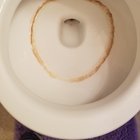
If you are asking, what do hard water stains look like, the short answer is: they are usually white, chalky, crusty, or cloudy marks left behind after mineral-rich water dries. They often appear around faucets, on shower doors, inside toilets, on dishes, and anywhere water regularly splashes or evaporates.
Hard water stains are mainly caused by dissolved calcium and magnesium. The water itself can look perfectly clear, but when it evaporates, those minerals stay behind. Over time, the residue can become rough, difficult to wipe away, and more noticeable than ordinary soap scum or dirt.
Not every white, brown, or cloudy mark is a hard water stain. Iron, manganese, soap residue, corrosion, and plumbing problems can create similar-looking deposits. Looking at the stain’s color, texture, and location can help you narrow down the likely cause before choosing a cleaner or water treatment option.
The Typical Appearance of Hard Water Stains
Most hard water stains begin as faint spots or a dull film. As water continues to dry in the same area, the minerals build up into more obvious deposits. The exact appearance depends on the surface, how hard the water is, and how long the minerals have been allowed to accumulate.
White or off-white spots
Small white spots are one of the most familiar signs of hard water. They commonly appear on:
- Chrome faucets and handles
- Stainless steel sinks
- Glass shower doors
- Dark tile or countertops
- Drinking glasses and dishes
These spots may look like dried water droplets, tiny pale rings, or scattered white specks. On dark surfaces, they can stand out sharply. They often return soon after cleaning because the underlying water still contains hardness minerals.
Chalky film or cloudy haze
Hard water can leave a dull, cloudy layer rather than individual spots. This is especially common on glass shower doors, glassware, glossy tile, and smooth fixtures. The surface may look hazy even after it has been wiped down.
On shower glass, the haze may first appear only in areas where water droplets collect. With repeated exposure, it can spread into a broad, uneven film that makes the glass look permanently cloudy. In some cases, mineral deposits can contribute to surface damage over time, making full restoration more difficult.
Crusty or rough mineral buildup
Older hard water deposits often become thick, rough, and crust-like. They may form around faucet bases, showerheads, tub drains, toilet rims, and sink overflow openings. The buildup can be white, beige, grayish, or slightly yellow depending on other minerals in the water.
A crusty deposit may feel gritty or hard when touched. It does not usually wipe off with a damp cloth because it is mineral scale, not loose dust. Severe buildup can partially clog small openings in showerheads and faucet aerators, changing the spray pattern or reducing flow at that fixture.
White rings and water lines
Hard water commonly creates rings where water repeatedly sits and evaporates. You may see:
- A white line around a pet bowl or humidifier reservoir
- A pale ring around a sink drain
- Mineral buildup at the normal water level in a toilet bowl
- White deposits along the edge of a bathtub
- Crust near the top of a water dispenser tray
These marks form because evaporation leaves dissolved minerals behind at the edge of the water. A water line is particularly suggestive of mineral residue when it is pale, hard, and returns after the area is cleaned.
Where Hard Water Stains Usually Show Up
Hard water stains develop where untreated water repeatedly contacts a surface and then dries. That means the location of the stain is almost as useful as its color.
Bathroom fixtures and shower surfaces
Bathrooms are common trouble spots because showers, tubs, sinks, and toilets receive frequent water exposure. Look for white spotting on faucets, calcium scale around showerheads, and cloudy shower glass. Tile grout may also develop a pale film, although grout can trap soap residue and mildew as well.
A showerhead with mineral buildup may develop uneven spray, blocked nozzles, or streams that point in different directions. This symptom does not prove that the whole plumbing system has severe scale, but it does show that minerals are collecting at that fixture.
Kitchen sinks, faucets, and dishes
In the kitchen, hard water often leaves white droplets around the sink, near the faucet base, and on stainless steel. Glasses and dishes may come out of the dishwasher looking spotted, streaky, or dull. Clear glassware can develop a cloudy appearance that does not disappear with normal handwashing.
Dishwasher spotting can also be affected by detergent amount, rinse aid, water temperature, dishwasher performance, and how dishes are loaded. Still, recurring white spots on dishes and fixtures together are a useful clue that hardness may be involved.
Toilets
Hard water stains inside toilets may appear as a white, tan, gray, or light brown ring at the water line. Mineral deposits can also collect under the rim, around water outlet holes, and near the drain opening.
Because toilets hold standing water, stains may become thick and stubborn. A brownish ring is not automatically rust, and a white ring is not automatically calcium. The color can change when hardness minerals occur alongside iron, manganese, or organic material.
Appliances and water-using equipment
Hard water can leave scale in humidifiers, coffee makers, kettles, ice makers, dishwashers, and washing machines. You might notice white flakes, rough deposits, or a chalky layer inside removable reservoirs.
For equipment that produces drinking water or steam, follow the manufacturer’s cleaning instructions. Do not assume a generic cleaner is safe for every appliance, especially where residues could contact drinking water or food.
Hard Water Stains Compared With Similar Problems
Visual clues are helpful, but stains alone cannot identify every mineral or confirm water quality. The table below shows common differences between hard water residue and other household water-related marks.
| Possible cause | Common appearance | Typical locations | What it may suggest |
|---|---|---|---|
| Hard water minerals | White, chalky, crusty, cloudy, or pale beige deposits | Faucets, shower glass, dishes, toilets, appliances | Calcium and magnesium are being left behind as water evaporates |
| Iron | Orange, red, rust-colored, or yellow-brown stains | Toilets, sinks, laundry, tubs, fixtures | Iron may be present in the water or plumbing system |
| Manganese | Dark brown, gray, or nearly black staining | Toilets, sinks, dishwasher interiors, laundry | Manganese may be contributing to discoloration |
| Soap scum | Waxy, smeary, dull, or grayish film | Showers, tubs, tile, shower curtains | Soap residue, often made worse by hard water |
| Corrosion | Blue-green, white, or rusty staining | Near pipes, faucets, drains, and plumbing connections | May point to plumbing material or water chemistry concerns |

Credit: reddit.com
Hard water stains versus soap scum
Hard water scale is mineral residue. Soap scum is a film created when soap ingredients react with minerals and body oils. In a shower, the two often occur together.
Soap scum usually feels waxy, slippery, or smeared when wet. Hard water scale tends to feel hard, rough, or gritty. A surface can have a chalky white mineral layer underneath a dull gray soap film, which is why a bathroom may still look cloudy after ordinary cleaning.
Hard water stains versus iron stains
Iron stains are more likely to be orange, reddish brown, yellow, or rust-colored. They often show up in toilets, sinks, tubs, and laundry. Hardness and iron can occur in the same private well, so a stain may be off-white with orange or brown areas.
Do not select an iron treatment system based on stain color alone. A properly collected laboratory water test can identify iron and show whether hardness, manganese, pH, and other source-water conditions may affect treatment choices.
Hard water stains versus etched glass
Mineral film sits on top of glass. Etching is physical damage to the glass surface. Both can look cloudy, especially on older shower doors and dishwasher-cleaned glassware.
If a mineral-safe cleaning method removes the haze, it was likely surface buildup. If the cloudiness remains after deposits are removed, the glass may be etched or otherwise damaged. Etched glass cannot always be restored by cleaning, even if the home later installs a water softener.
Why Hard Water Leaves These Marks
Hard water contains dissolved minerals, primarily calcium and magnesium. While the water is flowing, those minerals remain dissolved and may be invisible. When droplets dry, the water evaporates but the minerals do not. They remain on the surface as a deposit.
Repeated wetting and drying turns small spots into visible scale. Hot water can accelerate mineral precipitation, which is why buildup is often noticeable on shower doors, around hot-water fixtures, and inside water-heating equipment.
Private well water can vary widely from one home to another. Hardness may change with the aquifer, seasonal conditions, well depth, blending with another source, or water treatment already installed in the home. A neighbor’s water results are not a substitute for testing your own well.
How to Tell Whether Your Home May Have Hard Water
Visible stains are a clue, not a measurement. The most reliable way to confirm hardness is to have the water tested by a qualified laboratory or use a screening method as an initial indicator. A lab result gives you a measured hardness value that can be used for treatment planning.
Look for a pattern, not one isolated spot
One white mark on a faucet could be residue from a cleaning product. Hard water becomes more likely when you see a consistent pattern throughout the home, such as:
- Spotted glasses after dishwashing
- White buildup on several faucets or showerheads
- Cloudy shower doors that quickly reappear after cleaning
- Stiff laundry or reduced soap lather
- Frequent scale buildup in humidifiers, kettles, or coffee makers
- A pale or tan mineral ring in more than one toilet or sink
These signs can support a hardness concern, but they do not tell you the exact level of hardness or whether other water-quality issues are present.
Check untreated and treated water separately
If your home already has a water softener or other treatment equipment, compare where stains occur. For example, untreated outdoor spigots may leave mineral spots even when indoor plumbing is supplied by softened water. Some homes also have a kitchen cold-water line that bypasses the softener.
Knowing whether a fixture receives untreated or treated water helps you determine whether the issue is source-water hardness, softener performance, a plumbing bypass, or a fixture-specific problem.
Use water testing to make treatment decisions
A hardness test is especially useful before buying, resizing, or replacing a water softener. For private well owners, it is often sensible to discuss a broader test panel with a certified laboratory or local health department, particularly if staining is brown, black, blue-green, or accompanied by a recent change in taste, odor, or clarity.
Hardness is mainly an aesthetic and household-maintenance issue, but it can coexist with contaminants that cannot be seen or smelled. Clean-looking water and a low amount of visible scale do not establish that well water is safe to drink.
Can Hard Water Stains Damage Fixtures?
Hard water stains are usually more than a cosmetic nuisance when they are left to build up. Mineral scale can clog showerhead openings, restrict faucet aerators, reduce the efficiency of water-using appliances, and make surfaces harder to clean.
Scale can also create maintenance problems in water heaters and other equipment that heats water. The amount of impact depends on water chemistry, temperature, appliance design, and how much scale accumulates. It is not possible to judge internal equipment condition from a shower-door stain alone.
On glass, chrome, and polished finishes, aggressive scrubbing or the wrong chemical can cause damage. It is often better to remove deposits gradually with a surface-appropriate method than to use abrasive pads or harsh products that scratch the finish.

Credit: reddit.com
Removing Hard Water Stains Safely
Cleaning removes existing deposits, but it does not change the mineral content of the water. Choose a method that is suitable for the surface and follow product directions, especially for natural stone, plated finishes, painted surfaces, and appliance interiors.
For light mineral spotting
Fresh spots are usually easiest to remove. Drying faucets, shower walls, and glass after use can reduce new deposits. A nonabrasive cleaner made for the specific surface may also help with light buildup.
Some homeowners use mild acidic cleaners for mineral residue, but acid-based products are not appropriate for every surface. Natural stone, certain metals, grout, and damaged finishes can be harmed. Never mix cleaning chemicals, and ensure the room is ventilated.
For thick scale around faucets and showerheads
Thicker deposits may require a cleaner specifically labeled for mineral scale and compatible with the fixture finish. Removable aerators and showerheads should only be serviced according to the fixture manufacturer’s instructions. If a part is corroded, stuck, or connected to aging plumbing, forcing it loose can create a leak.
If one faucet has low flow but the rest of the house has normal pressure and flow, a clogged aerator may be more likely than a whole-house pump or pressure problem. If multiple fixtures are affected, consider broader causes such as treatment equipment, plumbing restrictions, or a pressure-system issue.
For toilets and persistent rings
Use a toilet cleaner intended for mineral deposits and follow its label. Avoid mixing products or combining cleaners with bleach, ammonia, or other chemicals. If a ring returns quickly, water hardness may be part of the cause, but iron or manganese can also contribute to recurring toilet stains.
Preventing New Hard Water Stains
The best prevention strategy depends on how severe the problem is and whether you want to manage the visible residue or reduce hardness throughout the home.
- Wipe down wet fixtures and shower glass before droplets dry.
- Clean mineral spots early, before they turn into thick scale.
- Follow appliance descaling instructions where applicable.
- Use a water test to confirm hardness and identify related minerals.
- Check whether existing treatment equipment is operating correctly.
- Consider a properly sized ion-exchange water softener if hardness is confirmed and whole-house reduction is the goal.
An ion-exchange water softener removes calcium and magnesium from the water through a resin-based process. It needs salt, regeneration water, a suitable drain connection, and ongoing maintenance. Sizing should be based on measured hardness, household water use, usable system capacity, and any relevant iron or manganese in the water.
Salt-free conditioners may help reduce scale formation in some situations, but they do not remove hardness minerals in the same way an ion-exchange softener does. Water treated by a conditioner can still leave minerals behind, so it may not solve every spotting problem.
When Stains Call for More Than Routine Cleaning
Consider testing or professional evaluation when the appearance of your water or stains changes suddenly, when stains are strongly colored, or when treatment equipment is no longer performing as expected. A rapid change can result from source-water changes, well work, plumbing corrosion, treatment failure, or another issue that cannot be confirmed by appearance alone.
Use a known safe water source and contact your local health department if you suspect harmful contamination, particularly after flooding, a well repair, or an unexplained change in water quality. Boiling water does not remove harmful chemical contaminants, and removing stains does not make water safe to drink.
For homeowners with a water softener, useful information for a service professional includes recent water test results, the softener model, whether the unit regenerates, the condition of the salt in the brine tank, whether a bypass is open, and which fixtures show staining. That information is more useful than assuming the softener or well pump is the cause.

Credit: reddit.com
Frequently Asked Questions
Can hard water stains be clear instead of white?
Yes. Fresh mineral residue can look clear, slightly dull, or like a faint outline of dried droplets. As more minerals build up, the marks usually become more visibly white, chalky, or cloudy.
Why do hard water spots come back right after cleaning?
They return because cleaning removes the deposits already on the surface but does not remove calcium and magnesium from incoming water. Drying wet surfaces promptly can slow the return of spots, while whole-house hardness reduction requires appropriately selected treatment.
Do hard water stains appear on black fixtures?
Yes. In fact, white mineral residue is often especially visible on black faucets, dark tile, matte finishes, and dark glass. Use cleaners approved for the fixture finish, since some coatings can be damaged by abrasives or strong chemicals.
Can a water softener stop stains on an outdoor hose bib?
Not always. Many homes intentionally bypass outdoor spigots so lawn and garden water does not run through the softener. If the hose bib receives untreated water, it can still leave hard water spots even when indoor fixtures are softened.
Is a brown toilet ring always caused by hard water?
No. A brown ring may involve hardness minerals, iron, manganese, organic material, or a combination of factors. A laboratory water test is the best way to identify the relevant minerals before choosing a treatment approach.