
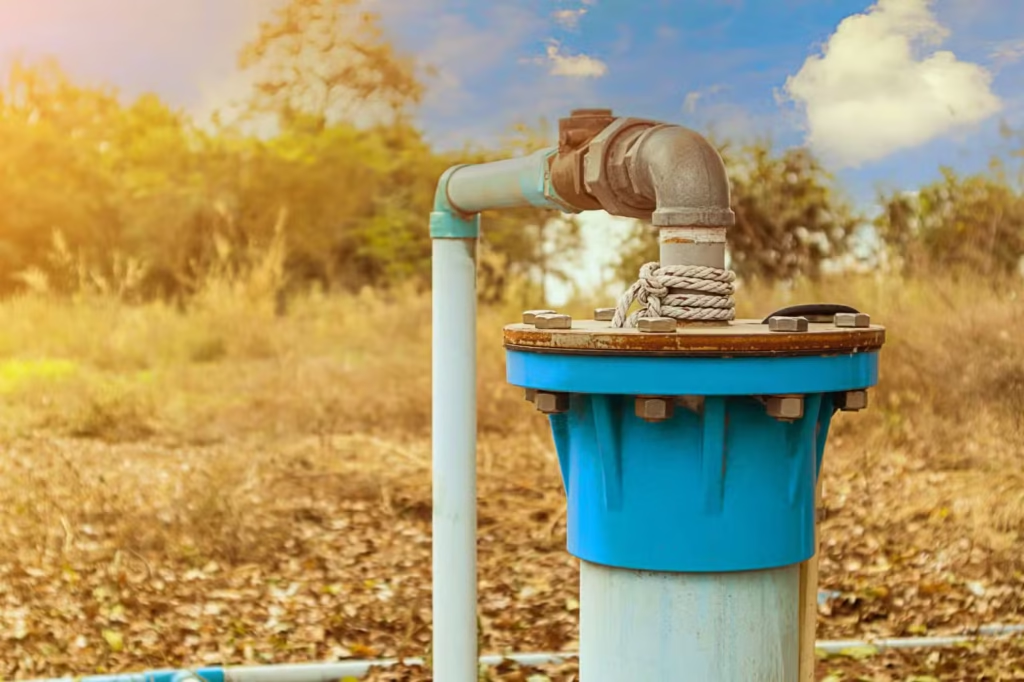
If you are asking how long does a well pump last, the practical answer is usually years rather than a fixed number of seasons. Many residential well pumps operate reliably for roughly 8 to 15 years, and some last longer. Actual lifespan depends on the pump type, well conditions, installation quality, pressure system, water demand, and maintenance.
A pump that is still supplying steady water pressure may not need replacement simply because it has reached a certain age. On the other hand, repeated loss of water, frequent cycling, unusual electrical problems, or rising repair needs can signal that the system deserves a professional evaluation.
The key is to separate normal wear from problems caused by the pressure tank, switch, plumbing, well yield, or water quality. Replacing a pump will not solve every low-pressure or no-water symptom.
Typical Well Pump Lifespan
For a properly selected and installed residential system, a well pump often lasts about 8 to 15 years. That is a useful planning range, not a guarantee. Some pumps fail sooner because of abrasive sediment, electrical problems, poor well conditions, or excessive cycling. Others run for 20 years or more when the well is stable and the pressure system is maintained.
When homeowners ask, how long should a well pump last?, the answer also depends on which equipment they mean. A complete well water system has several parts with different service lives. The pump motor may still be sound when a pressure switch, check valve, pressure tank, controller, or plumbing connection causes similar symptoms.
| System component | Role in the water system | Why it can affect apparent pump life |
|---|---|---|
| Submersible pump | Pumps water from inside the well | Works underwater and is commonly used in deeper wells; service often requires pulling the pump from the well. |
| Jet pump | Pulls or boosts water from a location above ground | Often used with shallow wells or specific configurations; priming and suction-side leaks can affect operation. |
| Pressure tank | Stores a small amount of pressurized water and reduces pump starts | A waterlogged or failed tank can make a healthy pump short cycle and wear faster. |
| Pressure switch or controller | Signals the pump to start and stop | Faults can cause no-water, cycling, or pressure problems that may be mistaken for pump failure. |
| Check valve and plumbing | Helps maintain pressure and direct water flow | Leaks or failed valves can cause pressure loss and extra pump run time. |
What Determines How Long Well Pumps Last?
A well pump does not simply wear out according to a calendar. Its operating environment and workload matter just as much as its age.
Pump type, quality, and correct sizing
Submersible pumps are installed below the water level in the well. They are generally common for deeper wells and avoid the suction limitations of above-ground pumps. Jet pumps sit above ground and may serve shallow-well or certain deep-well arrangements, depending on the design.
Neither style automatically lasts longer in every situation. Proper selection is more important. A pump must match the well’s pumping water level, expected household flow, pressure requirements, plumbing friction, and total dynamic head. Horsepower alone does not show whether a pump is correctly sized.
An oversized pump may fill a small pressure tank quickly and cycle too often. An undersized pump may run for long periods while struggling to meet demand. Both situations can add stress. A qualified pump professional can compare actual system performance with the pump curve and the well’s conditions before recommending replacement.
Frequent cycling
Every pump start creates electrical and mechanical stress. A system that turns on and off every few seconds or minutes during a modest water draw is short cycling. This is one of the most important threats to pump longevity.
Short cycling is often related to a pressure tank issue, but it can also involve a pressure switch, controller, plumbing leak, incorrect system settings, or a pump that does not match the system. A conventional pressure tank provides usable water between the pump’s cut-in and cut-out pressures; its labeled tank volume is not the same as its drawdown volume.
Do not assume a short-cycling pump itself has failed. Addressing the underlying cause promptly may protect the pump from further wear.
Water quality and sediment
Sand, silt, mineral scale, iron bacteria, corrosive water, and other well conditions can shorten the life of pump components. Abrasive sediment may wear moving parts. Scale or mineral buildup can affect flow paths and check valves. Corrosive water can damage compatible materials over time.
Cloudy water, grit in fixtures, or a new amount of sediment in filter housings is useful information, but it does not identify the exact cause. A water test and a well-system assessment can help determine whether the source is the aquifer, well construction, plumbing, treatment equipment, or a pump-related disturbance.
Well yield and pumping water level
Well depth is not the same as the pumping water level. The pumping water level is the level water reaches while the pump is running. If demand lowers that level substantially, the pump must work against more lift and may eventually encounter low-water conditions.
A low-yield well may recover slowly after heavy household use, irrigation, filling a pool, or other high-demand events. Repeatedly running a pump under inadequate water conditions can lead to overheating or protective shutoffs, depending on the equipment. A contractor can perform appropriate yield and recovery testing when the supply appears to run low.
Electrical supply and controls
Voltage problems, loose or deteriorated connections, damaged control components, lightning-related events, and motor-starting issues can affect pump operation. These faults should be diagnosed by a qualified professional. Do not open electrical controls, work on live wiring, or keep resetting a breaker that trips.
Electrical symptoms do not always mean the pump is bad. A technician may need to evaluate the power supply, controls, wiring, motor condition, and system pressure before identifying the failed component.
Household water demand
A growing household, added bathrooms, irrigation, livestock use, or frequent high-flow appliances can increase pump run time. Normal water use does not harm a correctly designed system, but a system that was marginal from the beginning may show problems as demand rises.
Consider changes made since the pump was installed. A home that now has more occupants or major water-using equipment may need a system review even if the pump itself is not yet at the end of its life.
Signs a Well Pump May Be Nearing Failure
Aging pumps often provide warnings, but these symptoms overlap with other well-system problems. Look for patterns rather than relying on one sign.
- Lower pressure throughout the house: Could indicate a pump, pressure tank, switch, clogged filter, treatment restriction, plumbing issue, or reduced well yield.
- Intermittent water loss: If water returns after a delay, the well may be recovering slowly, a control may be overheating, or another system fault may be present.
- Air sputtering from multiple fixtures: May occur when the water level is low, but it can also relate to plumbing or pressure issues.
- Long pump run times: A pump that runs much longer than usual may be dealing with a leak, low well yield, a worn pump, or a demand change.
- Short cycling: Rapid starts and stops often point first to a pressure-system problem, especially the tank or controls.
- New clicking at the pressure switch or control area: This can accompany cycling issues. Avoid touching exposed electrical parts.
- Dirty, sandy, or discolored water: This may indicate sediment movement or a well problem, but it is not proof that the pump has failed.
- Higher repair frequency: Repeated service calls for related pump, control, or pressure issues may make replacement planning sensible.
If only one faucet has weak flow, start with that fixture’s aerator, shutoff valve, supply line, and any point-of-use filter. A whole-home problem is more likely to involve the main water system.

Credit: libertyhomeguard.com
How to Tell a Pump Problem From Another System Problem
Before concluding that an old pump needs replacement, begin with safe, simple observations. This can help a technician diagnose the system faster and may uncover a less costly issue.
Check whether the issue affects every fixture
Run cold water at more than one fixture. Note whether pressure is low everywhere, only on one floor, or only at one faucet. Also note whether the issue occurs only during high demand or even when a single fixture is open.
If hot water pressure alone is weak, the cause may be in the water heater or hot-water plumbing rather than the well pump.
Observe the pressure gauge and cycling pattern
If your system has an accessible gauge, observe it while water is being used. Record the pressure at which the pump starts, how quickly it rises, whether it reaches its usual shutoff pressure, and whether it drops when no water is being used.
A pressure drop with all fixtures off can suggest a leak, a check-valve issue, or another pressure-loss problem. It is not enough by itself to confirm the location of the fault.
Inspect filters and visible leaks
A clogged sediment cartridge or treatment component can restrict flow to the home and resemble a weak pump. Follow the manufacturer’s maintenance instructions for any filter or treatment unit. Look for visible leaks around pressure tanks, plumbing joints, toilets, outdoor hydrants, and appliances.
Do not bypass treatment equipment if doing so could expose the household to untreated water or damage the system. If you are unsure what a component does, contact the installer or manufacturer before changing its configuration.
Consider recent events
Useful diagnostic details include:
- A recent power outage, storm, or breaker trip
- Flooding near the well or changes in water appearance or odor
- Well work, plumbing work, or treatment-system service
- A sudden increase in water use
- Extended drought or unusually dry conditions
- New sediment, staining, or air in the water
These details do not diagnose the problem, but they give a well contractor a more complete starting point.
When Replacement Makes More Sense Than Repair
Repair is often reasonable when the fault is isolated to a serviceable control, pressure tank, switch, valve, wiring issue, or plumbing restriction. Replacement may be the better long-term choice when the pump is old, requires pulling from the well, has confirmed motor or internal wear, and has a history of related breakdowns.
The decision should account for more than the immediate repair bill. Ask about the condition of the pressure tank, controls, wiring, drop pipe, check valves, and well yield while the system is being evaluated. Replacing only the failed part may be appropriate, but it is helpful to know whether other aging components could cause another interruption soon.
Credit: cardinalhome.ca
Questions to ask before approving pump work
- What tests or observations support the diagnosis?
- Is the problem confirmed to be the pump, or could it be the tank, switch, plumbing, or well yield?
- What pump type and capacity does the existing system use?
- What are the measured pumping water level, expected flow, and pressure requirements?
- Will the proposed replacement match the existing pressure system and household demand?
- Are there signs of sediment, corrosion, or water-quality conditions that should be addressed?
- Which related components should be inspected while the pump is accessible?
A replacement pump should be selected for the actual well and home, not simply matched by horsepower or chosen because it is the largest available option.
Ways to Help a Well Pump Last Longer
You cannot eliminate normal wear, but good system care can reduce avoidable stress on the pump.
- Respond to short cycling quickly. Rapid cycling can shorten pump life, so have the tank and controls evaluated rather than waiting for a complete failure.
- Maintain filters and treatment equipment. Replace cartridges and service media according to the applicable manufacturer instructions. Restricted equipment can reduce household flow and complicate diagnosis.
- Watch for unexplained water use. Repair plumbing leaks and running toilets. A hidden leak can make the pump run unnecessarily.
- Use water thoughtfully during low-yield periods. Spread out high-demand activities if the well has slow recovery, and seek professional advice if the supply repeatedly runs short.
- Protect the wellhead. Keep the area around the well sanitary and prevent surface water, chemicals, and debris from entering. Well protection supports both equipment reliability and water quality.
- Test water when conditions change. Changes after flooding, well repairs, unusual taste, odor, staining, or cloudiness may warrant testing. Appearance and smell alone cannot establish drinking-water safety.
- Keep service records. Record pump installation dates, pressure settings, repairs, water-test results, and unusual symptoms. This information is valuable when diagnosing future problems.
What to Do if the Pump Stops Working
A sudden loss of water can be disruptive, but avoid rushing into pump replacement. First, determine whether the issue affects the entire home and check for a power outage. If the breaker has tripped, do not repeatedly reset it. A recurring trip can indicate an electrical or motor problem that needs professional attention.
Check whether an accessible filter is badly clogged and look for obvious leaks. If the pressure gauge is readable, note its position. Then contact a qualified well pump professional with the details you observed.
If flooding, damage to the well cap, or a major water-quality change accompanies the water problem, use a known safe water source for drinking and food preparation until appropriate testing and guidance are available. Boiling water or adding disinfectant does not solve harmful chemical contamination. The right response depends on the specific hazard and confirmed test results.
Credit: scwellservice.com
FAQ
Can a well pump last 20 years?
Yes. Some well pumps operate for 20 years or longer, especially when the well is stable, the pump is properly sized, sediment is limited, and the pressure system prevents excessive cycling. Age alone is not a reason to replace a pump that is operating normally.
Does a pressure tank affect pump lifespan?
Yes. A properly functioning pressure tank reduces the number of times the pump must start. If the tank loses its air charge, becomes waterlogged, or has a failed internal bladder or diaphragm, the pump may short cycle and experience more wear.
Will low water pressure always mean the well pump is failing?
No. Low pressure can result from a clogged filter, plumbing restriction, pressure tank issue, control problem, leak, reduced well yield, or a fixture-specific issue. A pump should be diagnosed as the cause only after the system is evaluated.
Is it safe to check the air pressure in a well pressure tank myself?
Only if the tank manufacturer’s instructions allow it and you understand the required safety steps. For a conventional tank, this generally requires isolating power and fully relieving water-side pressure first. Because pressure vessels and electrical controls can be hazardous, leave uncertain procedures, switch adjustments, and damaged-tank work to a qualified professional.
Should I replace a working pump before it fails?
Preventive replacement can be reasonable when an aging pump has a record of problems, is difficult to access, or supports a home where water interruption would be especially disruptive. Otherwise, monitor system performance, maintain the pressure system, and plan replacement based on condition, diagnosis, and the cost of repair versus long-term reliability.