
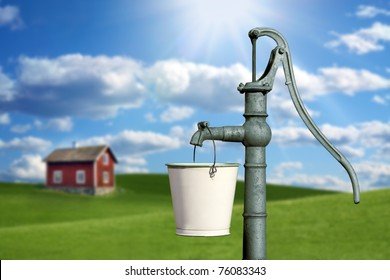
A water well pump house is a small structure that protects well-system equipment from freezing temperatures, weather, damage, and unauthorized access. Depending on the well design, it may shelter a jet pump, pressure tank, pressure switch, filtration equipment, electrical controls, and plumbing connections.
Not every private well needs a full pump house. Many modern drilled wells use a submersible pump located deep inside the well casing, with the pressure tank and controls installed in a basement, utility room, garage, or other protected indoor location. However, a properly planned water well pump house can be useful when equipment must remain outdoors or when a property has no suitable indoor mechanical space.
The goal is not simply to build a shed around the equipment. A good pump house must keep the system accessible, dry, frost-protected, sanitary, and safe to service without creating risks for the well or the household water supply.
What Is a Water Well Pump House?
A water well pump house, sometimes called a well house or pump shed, is an enclosed structure built near a private well to protect the mechanical parts of the water system. It may be a small insulated enclosure or a larger utility building, depending on the equipment inside.
The exact role of the structure depends on the type of well pump and system layout.
- Jet pump systems often need a pump house because the pump motor is installed above ground rather than inside the well.
- Submersible pump systems usually have the pump down in the well, but a pump house may still contain the pressure tank, control box, water treatment equipment, or plumbing manifold.
- Seasonal properties may use a pump house to centralize shutoff valves and winterization points.
- Remote wells may need a secure outdoor enclosure when there is no basement, utility room, or heated building nearby.
A pump house is different from the well itself. The well is the drilled or driven opening that reaches groundwater. The pump house protects above-ground equipment, while the well casing and sanitary well cap protect the opening into the groundwater source.
Why a Well Pump House Matters
Water-system equipment can be damaged by freezing, moisture, impact, pests, and exposure to sunlight. A pump house reduces those risks when it is designed for the actual system and local climate.
Freeze protection
Frozen water in pipes, pressure switches, filters, pumps, or tanks can split fittings and crack housings. A broken pipe inside a small pump house may also run unnoticed, wasting water and causing a pump to cycle repeatedly.
In cold climates, the most important job of a water well pump house is maintaining adequate protection for plumbing and equipment during freezing weather. Insulation helps slow heat loss, but insulation alone does not create heat. If the building depends on heat, that heat source needs to be reliable, safely installed, and appropriate for the enclosure.
Equipment protection
A covered structure helps shield equipment from rain, snow, windblown debris, UV exposure, and accidental damage from yard equipment. It can also discourage tampering with electrical controls, plumbing valves, and treatment equipment.
Protection is especially important for above-ground jet pumps and pressure tanks. These components are not designed to sit exposed to weather year-round.
Service access
Well equipment eventually needs maintenance. A pump house can make it easier to inspect pressure gauges, replace sediment filters, check for leaks, access shutoff valves, and allow a qualified technician to diagnose the system.
That convenience matters during emergencies. If the home loses water, a technician should be able to reach the controls and plumbing without crawling through a cramped, wet, unlit structure.
Security and cleanliness
A pump house should limit access by children, animals, and unauthorized people. It should also keep dirt, chemicals, fuel containers, lawn products, and other contamination sources away from the wellhead and water-system components.
A locked structure can be helpful, but it should not prevent necessary emergency or maintenance access. Keep keys or access instructions available to the responsible homeowner and qualified service provider.
Know Which Equipment Belongs in the Pump House
The equipment inside a water well pump house should reflect the well design, climate, available space, and maintenance needs. Avoid treating every well as though it has the same layout.
| Component | May Be Located in a Pump House? | Important Considerations |
|---|---|---|
| Jet pump | Often | Needs protection from freezing, moisture, and service access. Shallow-well and deep-well jet systems have different plumbing arrangements. |
| Submersible pump | No, the pump is normally in the well | The pump is installed below ground in the well casing. Associated controls may be elsewhere. |
| Pressure tank | Often | Needs a dry, protected area with enough clearance for service. Do not confuse tank size with usable water drawdown. |
| Pressure switch or controller | Often | Must remain dry and accessible. Electrical diagnosis and adjustment should be left to qualified professionals when needed. |
| Control box | Sometimes | Some submersible pump systems use an above-ground control box; others do not. |
| Sediment filter | Sometimes | Needs room for filter changes and protection from freezing. Filter housings can restrict flow as they load with sediment. |
| Water softener or treatment tank | Sometimes | Requires enough space for maintenance, drainage where applicable, and protection from freezing. |
Submersible pumps and pump houses
A submersible pump is located down inside the well, below the pumping water level. A pump house does not usually enclose the pump itself. Instead, it may protect the wellhead, pressure tank, controls, and plumbing.
Do not assume that a no-water problem means the submersible pump has failed. Low water pressure or loss of water can also result from a tripped control, a plumbing leak, a blocked filter, a pressure tank issue, a depleted well, a damaged pipe, or another system fault.
Jet pumps and pump houses
Jet pumps are above-ground pumps commonly found in some shallow-well systems and certain deep-well jet installations. Because the motor and pump body are exposed above ground, they need a weather-protected, frost-protected location.
Jet pumps may require priming after certain repairs, leaks, or loss-of-prime events. That does not apply to a typical submersible pump system. If a jet pump repeatedly loses prime, the cause may be a leak, faulty valve, plumbing problem, or well-side issue rather than a need for repeated priming.
Choosing the Right Location
A pump house should be close enough to the equipment it serves without compromising access to the well or creating contamination risks. The best location is usually determined before construction, especially if the property is new or the well is being upgraded.

Credit: istockphoto.com
Keep the wellhead accessible
The wellhead must remain accessible for inspection, testing, repairs, and possible pump service. A structure should not make it difficult to remove a well cap, inspect the casing, or pull a submersible pump when service is required.
Do not bury the wellhead, cover it with soil, or build in a way that hides leaks around the casing. The well casing should extend above finished grade as required by applicable local rules, and the ground around it should direct surface water away from the well.
Protect against surface water
A pump house should sit on a well-drained site. Water pooling around the building can create moisture problems, damage materials, and increase the chance that contaminated runoff reaches the well area.
Grade the surrounding area so rain and snowmelt flow away from the pump house and well. Avoid placing the structure where roof runoff, driveway drainage, livestock areas, fuel storage, septic-system components, or chemical storage could affect the well environment.
Plan for service space
A tiny enclosure may look efficient but become difficult to maintain. Leave space to reach gauges, valves, tank connections, filter housings, and electrical enclosures without moving major equipment.
If the well contains a submersible pump, also consider how a service company would access the well. Pulling a pump from a deep well can require substantial vertical clearance and specialized equipment. A low roof or narrow doorway can turn a simple repair into a more complicated project.
Check local requirements before building
Setback rules, electrical requirements, frost-depth requirements, permits, and well-construction rules vary by state, county, and municipality. Private wells are not regulated exactly like public water systems, but local health departments and building departments may have specific requirements for well access, structures, drainage, and electrical work.
Before building, contact the relevant local authority and review the well records if they are available. A well contractor or licensed plumber may also identify site-specific concerns that are not obvious from the surface.
Design Features That Make a Pump House Work
A durable water well pump house does not need to be elaborate, but it should be designed around moisture control, freeze protection, accessibility, and safe utility connections.
Foundation and floor
The floor should support the equipment and remain stable when the soil is wet or frozen. A solid, level base makes it easier to identify leaks and helps prevent stress on plumbing connections.
Choose materials that tolerate occasional moisture. If the pump house has a floor drain or drain path, its design should not create a route for contaminated water to move toward the well. Drainage details should follow local requirements and the system layout.
Walls, roof, and weather sealing
The structure should keep out rain, snow, wind, rodents, and insects while still allowing appropriate ventilation. Repair gaps around pipes and conduits, but avoid sealing the building so tightly that moisture accumulates inside.
A sound roof and flashing are particularly important. Slow roof leaks can corrode electrical components, wet insulation, promote mold, and cause wooden framing to deteriorate.
Insulation and heating
In areas with freezing weather, insulate walls, ceilings, doors, and vulnerable plumbing where appropriate. Pipe insulation can reduce heat loss, but it should not be the only freeze-protection strategy where long periods of cold weather are expected.
If the building requires heat, use equipment suitable for the location and installed according to its instructions and local electrical or mechanical rules. Do not use an open flame, improvised heater, or fuel-burning appliance in a small pump house. Those approaches can create fire, carbon monoxide, and moisture hazards.
For a seasonal home that will be vacant during winter, a proper shutdown and winterization plan may be more dependable than relying on a small heater. The correct process depends on the plumbing layout, treatment equipment, and local climate.
Ventilation and moisture control
Pump houses need a balance between warmth and dryness. Excessive ventilation can make freeze protection harder, while no ventilation can trap condensation and heat from motors or controls.
Look for signs of moisture trouble, including rust, wet insulation, peeling paint, mildew, condensation on pipes, or water stains on the roof framing. Address the source rather than simply adding more heat.
Lighting and electrical safety
Good lighting makes routine inspections safer and helps reveal leaks or corrosion early. Electrical equipment should be protected from water and installed in accordance with applicable electrical requirements.
Homeowners can safely observe whether a breaker has tripped, whether a gauge changes, or whether there is visible water around equipment. Do not remove electrical covers, work on live wiring, bypass a pressure switch, or repeatedly reset a breaker that trips. A recurring electrical problem needs qualified diagnosis.
Plumbing Layout and Freeze Protection
Well plumbing should be arranged so that important components can be isolated, serviced, and protected. The best layout depends on whether the pump is a jet pump or submersible pump, where the pressure tank is located, and whether the home has water treatment equipment.
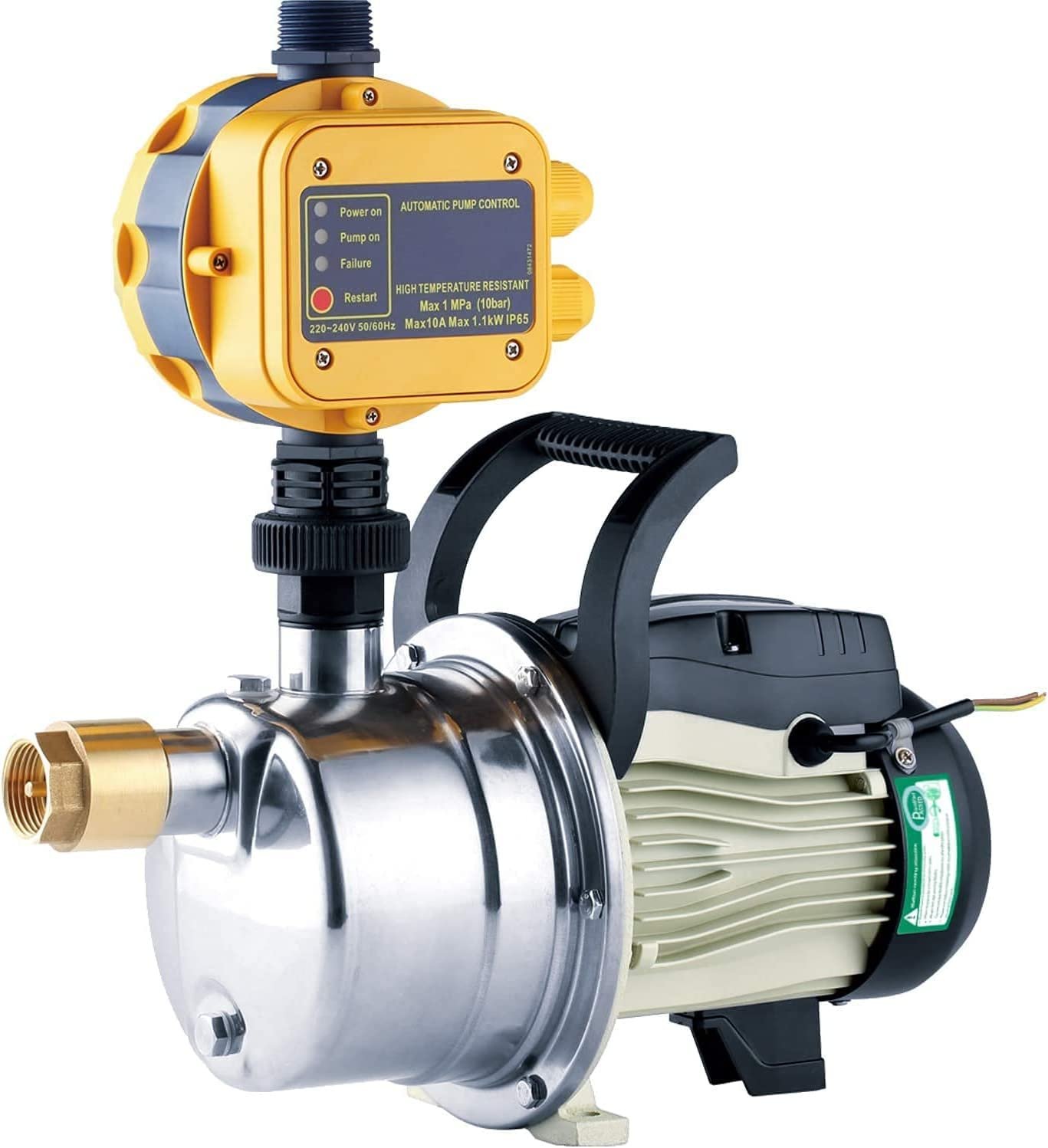
Credit: amazon.com
Use accessible shutoff points
A well system may include shutoff valves before and after treatment equipment, a valve serving the home, and drain or service connections. These should be labeled clearly enough for a homeowner or technician to identify their purpose.
Labels are especially helpful when the pump house contains filters, a softener, a bypass line, irrigation connections, or multiple buildings. Incorrectly closing or opening a valve can leave the home without water or route untreated water where it is not wanted.
Protect vulnerable piping
Pipes near exterior walls, doors, vents, or uninsulated floors are often the first to freeze. Keep plumbing away from cold surfaces where possible, insulate exposed sections as appropriate, and seal obvious air leaks around pipe penetrations.
Do not rely on heat tape or cable without confirming that it is approved for the pipe material, installation location, and intended use. Damaged or incorrectly installed heating products can create electrical and fire risks.
Account for pressure and flow needs
A pump house cannot solve every water-pressure problem. Low pressure may be caused by a dirty filter, partially closed valve, failing pressure tank, pump issue, plumbing restriction, leak, or low well yield. Water pressure, measured in psi, is not the same as flow rate, commonly measured in gallons per minute.
If pressure is low throughout the home, note the pressure gauge readings, whether the pump cycles normally, recent changes in water quality, and whether filters were recently replaced. This information gives a well professional a much better starting point than simply reporting that the water is weak.
Pressure Tanks and Controls in a Pump House
A pressure tank reduces how often a conventional well pump must start and stop. It stores a limited amount of pressurized water, called drawdown, between the pump’s cut-in and cut-out pressures. The tank’s total physical volume is not the same as its usable drawdown.
A pump house should provide enough space to inspect the tank, gauge, pressure switch or controller, and connected plumbing. Keep the area around the tank dry and avoid stacking storage items against it.
Watch for short cycling
Short cycling occurs when the pump starts and stops unusually often, sometimes every few seconds or minutes while water is being used. This can put extra wear on the pump motor, controls, and pressure switch.
Possible causes include a waterlogged pressure tank, damaged bladder or diaphragm, incorrect air precharge, plumbing leaks, pressure-control problems, or restricted flow. The symptom does not prove that the tank has failed.
Checking or adjusting pressure-tank precharge can involve electrical isolation and fully relieving water-side pressure. Because settings are system-dependent, follow the tank and pump manufacturer’s instructions. Do not adjust a pressurized tank or pressure controls unless you understand the equipment and can complete the work safely.
Keep gauges readable
A functioning pressure gauge is one of the simplest diagnostic tools in a well system. It can help show whether the pump is building pressure, whether the system is cycling, and whether pressure falls when water is not being used.
Replace unreadable, damaged, or clearly inaccurate gauges through appropriate service. A bad gauge can lead homeowners to misinterpret a pump or tank problem.
Water Treatment Equipment in a Pump House
A pump house can hold water treatment equipment, but outdoor installation is not always the best choice. Filters, softeners, ultraviolet systems, and reverse osmosis components have different space, temperature, drainage, and maintenance requirements.
Any treatment decision should be based on a water test and the actual source of the problem. A rotten-egg odor, staining, cloudiness, or unpleasant taste may point to several different causes. Improving an odor or appearance does not establish that water is safe to drink.
Common treatment considerations
- Sediment filters can protect plumbing and other treatment equipment from particles, but they need regular replacement and may reduce flow as they become clogged.
- Activated carbon can address certain taste, odor, or chemical concerns depending on the media and system design, but it is not a universal contaminant solution.
- Water softeners use ion exchange to remove hardness minerals and require salt, water, drainage, and maintenance. Salt-free conditioners do not remove hardness minerals in the same way.
- Iron or sulfur treatment must match the tested form and concentration of the problem, along with the home’s required flow rate.
- UV disinfection systems are designed to disinfect when properly sized and maintained, but they do not remove dissolved chemicals, sediment, or minerals.
If treatment equipment is installed in a pump house, verify that the enclosure stays within the equipment manufacturer’s permitted operating conditions. Freezing can damage housings, membranes, valves, UV components, and treatment media tanks.
Routine Pump House Maintenance
A brief inspection several times a year can catch small issues before they become a no-water emergency. Inspect more often during severe weather, after flooding, and when the household notices pressure or water-quality changes.
- Look for standing water, dripping fittings, wet insulation, and roof leaks.
- Check that the door, lock, and weather seals are intact.
- Make sure the well cap, casing area, and surrounding ground remain visible and protected from runoff.
- Listen for frequent pump cycling when water is being used.
- Check whether the pressure gauge appears to operate normally.
- Inspect visible pipes and filter housings for freezing damage, corrosion, or cracks.
- Remove combustible clutter, chemicals, fuel containers, and animal feed from the structure.
- Keep vegetation trimmed so the structure remains accessible and dry.
After flooding, well repairs, or a noticeable change in water quality, consider whether water testing is needed. For suspected bacterial contamination, use a known safe water source and contact the local health department or a certified laboratory for sampling guidance. Boiling or disinfection does not remove harmful chemical contaminants.

Credit: istockphoto.com
Common Water Well Pump House Mistakes
Building too small
A cramped enclosure may prevent routine maintenance and make emergency repairs more expensive. Leave enough clearance for valves, filter changes, tank service, and access to the wellhead.
Assuming insulation is enough
Insulation slows heat loss but does not prevent freezing indefinitely. In cold climates, the complete design must consider air leaks, plumbing location, reliable heat where needed, and a winterization plan.
Using the pump house for storage
Paint, pesticides, fertilizer, gasoline, solvents, and other chemicals do not belong near a well. Storage also blocks service access and can hide leaks or damaged equipment.
Ignoring drainage
A dry-looking site can still become wet during storms or spring thaw. Poor grading, roof runoff, and saturated soil can damage the structure and create sanitary concerns near the well.
Replacing equipment before diagnosing the system
Loss of pressure, intermittent water, or short cycling can have several causes. Record what happens at the gauge, whether all fixtures are affected, whether filters are clogged, and whether there are visible leaks before deciding that the pump needs replacement.
FAQ
Can a well pump house be attached to a garage or other outbuilding?
It can be, provided the location protects the equipment, allows access for service, meets local building and electrical requirements, and does not create contamination or drainage concerns near the well. An indoor utility space is often easier to keep above freezing than a detached structure.
Does every submersible well pump need a pump house?
No. A submersible pump is normally installed inside the well, below ground. Many homes keep the pressure tank, controls, and treatment equipment indoors, so a separate pump house is unnecessary.
How can I tell if my pump house is too cold?
Warning signs include frost on plumbing, unusually cold interior surfaces, condensation followed by freezing, reduced water flow during cold weather, or visible ice near fittings. Address the problem before pipes or equipment freeze and rupture.
Should a pump house have a drain?
A drain or planned drainage path can help manage minor leaks and maintenance water, but it must be designed so it does not direct contaminated water toward the well or violate local requirements. The correct approach depends on the site and plumbing arrangement.
When should I call a well professional?
Call a qualified well or pump professional for repeated breaker trips, no water throughout the home, persistent short cycling, leaking pressure tanks, damaged well components, major pressure loss, suspected pump failure, or any work involving wiring, pressure controls, or pulling a deep-well pump.